


Driving in Italy – Tips and Advice
How Can This Guide Help You?
Find out how to rent a car in Italy: For anyone planning a trip to Italy, renting a car is a great way to see the country. There are certain things to remember when renting a car in Italy, and this guide will help you when you want to rent a car in Italy. You may need an International Driving Permit.
আপনার আন্তর্জাতিক ড্রাইভিং পারমিটের প্রয়োজন কিনা তা কয়েক সেকেন্ডের মধ্যে পরীক্ষা করুন।
জাতিসংঘের রোড ট্রাফিক কনভেনশনের উপর ভিত্তি করে আপনার আন্তর্জাতিক পারমিটের প্রয়োজন কিনা তা দ্রুত পরীক্ষা করতে ফর্মটি ব্যবহার করুন।
You will know the different types of roads in Italy: If you’re planning a road trip in Italy, you must know the different types of roads you’ll encounter. The Italian road network comprises various kinds of roads, each with its own rules and regulations.
You will know the different road signs and their meanings: Some signs are similar to their counterparts in the US, and others can be quite different. This guide will introduce you to the most typical Italian road signs and their meanings so you can confidently hit the open road.
You will know the rules of the road: It’s essential to know the rules. Italy is a challenging place to drive, but with some preparation, you can safely navigate the country’s roads.
Learn the basics of Italian driving culture: If you’re planning a trip to Italy or are just curious about the local driving culture, this guide is for you. Italy is renowned for its picturesque villages and winding roads, making it a popular destination for tourists worldwide. But driving in Italy can be a challenge for foreigners, especially if you’re unfamiliar with the local customs. This guide will help you to learn the basics of Italian driving culture so you can hit the road confidently.
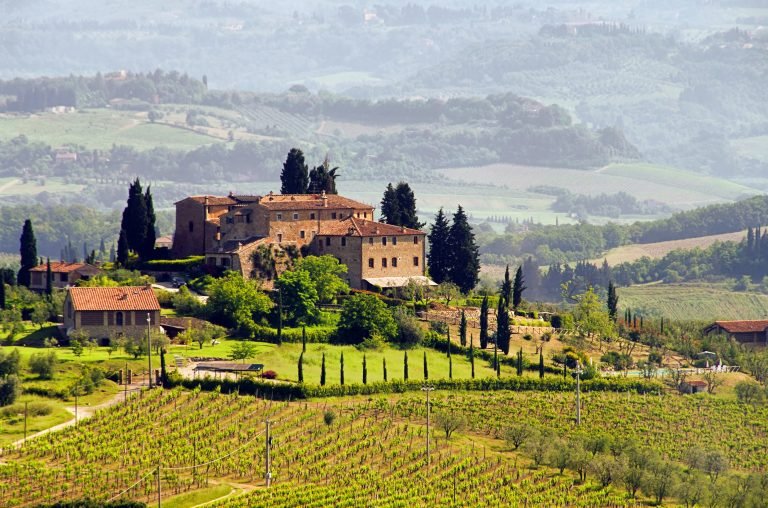
There are few places in the world as romantic and enchanting as Italy. From the rolling green hills of Tuscany to the sun-drenched coastline of the Amalfi Coast, Italy is a country that has something for everyone.
If you are on the lookout for a calm, beautiful, and relaxing beach vacation or a cultural city escape, you’ll find it in Italy. With world-renowned cuisine, stunning art and architecture, and rich history, Italy is a country that should be on everyone’s travel list.
If you’re looking for useful information on Italy, you’ve come to the right place. Here you’ll find an overview of Italy, including its history, culture, geography, economy and travel advice for getting around.
Geographic Location
Italy is a country located in southern Europe. It is a peninsula, which means it is surrounded by water on three sides. The Tyrrhenian Sea is to the west, the Ionian Sea is to the south, and the Adriatic Sea is to the east. Italy comprises the boot-shaped Italian Peninsula, the southern side of the Alps, the large plain of the Po River Valley, and some islands, including Sicily and Sardinia.
France, Switzerland, Austria, and Slovenia share a land border with Italy. Switzerland shares the longest land border with Italy at 434 miles of these countries, and Slovenia has the shortest at 135 miles. Italy shares land borders with two additional countries: San Marino and the Vatican. However, both of these countries are enclaves of Italy, as the country surrounds them.
Italy has a predominantly mountainous terrain, with the Alps forming a significant part of the country’s northern border.
Languages Spoken
In Italy, the official language is Italian. The vast majority speaks of the country’s population. Around 85 million people all around the world speak Italian, and it is one of the working languages of the Council of Europe. It is a Romance language descended from Latin and is closely related to other Romance languages such as French, Spanish, and Portuguese. Italian is also one of the most widely spoken languages in the European Union.
However, there are several other languages spoken throughout the country. According to the Ethnologue, over 60 languages are spoken in Italy, including Albanian, Catalan, German, Greek, Ladin, Sardinian, and Sicilian.
The Italian government recognizes a total of 12 minority languages. These are Albanian, Catalan, German, Greek, Ligurian, Slovene, Friulian, Occitan, Sardinian, Sicilian, Ladin, and Franco-Provençal. Of these, Albanian, Catalan, German, Greek, and Slovene are spoken by significant numbers of people in Italy.
Land Area
It covers an area of 301,230 square kilometers and has a population of over 60 million people. The land area of Italy is quite diverse, with several different terrain and climate. The northern part of the country is primarily mountainous, with the Alps and the Apennine Mountains running through it. This region also has a lot of forests and is quite hilly. The climate in this area is more relaxed than in the rest of the country, with snow in the winter.
The central part of Italy is primarily flat, with some hills, which is where most of the country’s agriculture takes place.
History
Italy became a unified country in 1861. The unification of Italy began in 1861 with the formation of the Kingdom of Italy under the House of Savoy (Piedmont-Sardinia). Italy incorporated the former Papal States and Venetia -including Rome) by 1871 following the Franco-Prussian War (1870-71).
The United States of America had diplomatic relations with the Kingdom of Sardinia, the Papal States, and the Kingdom of the Two Sicilies before Italian unification (also known as the Risorgimento).
The United States had had warm relations with Italy for many years, except for a brief period during World War II when Benito Mussolini’s government declared war on the United States. Since 1946, the United States has had friendly relations with the Republic of Italy. The United States of America formally recognized the Kingdom of Italy when it accepted the credentials of Chevalier Joseph Bertinatti as Minister Plenipotentiary of the Kingdom of Italy on April 11, 1861.
The United States of America and Italy share strong bilateral relations. As a founding member of the European Union and a member of NATO, Italy plays a vital role in international affairs.
Government
The Government of Italy is the national government of the Italian Republic. It is a parliamentary republic with a unicameral legislature, the Chamber of Deputies, and an executive branch, the Council of Ministers. The President of the Republic of Italy is the head of state, and the Prime Minister is the head of government.
The government is led by the Prime Minister, who is nominated by the President of the Republic and must have the confidence of the Chamber of Deputies to govern. The President also appoints the other ministers on the advice of the Prime Minister. The government must also have the confidence of the Chamber of Deputies to stay in power.
Tourism
The tourism of Italy is one of the most popular tourist destinations in the world. Every year, millions of people visit Italy to see its renowned art and architecture, enjoy its delicious food and wine, and experience its unique culture.
Reasons why Italy is considered a popular tourist destination.
Italy is home to several of the best food in the world: Italy is home to a wide variety of delicious food. From traditional pizzas and plates of pasta to more exotic dishes, there is something to suit every taste. The country’s cuisine is renowned for using fresh, high-quality ingredients. Pasta, pizza, and gelato are just a few of Italy’s mouth-watering dishes.
In addition to being delicious, Italian food is also healthy. The Mediterranean diet, of which Italian cuisine is a part, is beneficial for overall health. So, not only will you enjoy eating Italy’s delicious food, but you’ll also be doing your body a favor!
Italy is full of Rich History: Italy is a country with a rich history that dates back centuries. Italy has been home to many great civilizations, including the Roman Empire, and has played a significant role in the development of Western culture. Italy was a major center of culture and politics in Europe for centuries, and it remains so to this day.
Rich Architectural And Artistic Legacy: Italy is a country with a rich legacy of both art and architecture. Italy has been home to some of the world’s most influential artists and architects for centuries, and their work has profoundly impacted the development of both disciplines. Italian art and architecture are characterized by a unique blend of elements from different cultures and periods, resulting in a style that is distinctly Italian.
Some of the most famous Italian artists include Leonardo da Vinci, Michelangelo, and Raphael. These artists were responsible for some of the most iconic paintings and sculptures in history, and their work has inspired countless other artists. Italian architecture is similarly renowned, with iconic buildings such as the Colosseum and the Leaning Tower of Pisa.
Stunning Scenery and Landscape: the country has a lot to offer in terms of natural beauty, from the majestic Alps to the picturesque coastline. Rome, Florence, and Venice are just a few world-famous cities you can visit, each with unique attractions. Or you can explore the scenic countryside, visit ancient ruins, or enjoy the beaches and scenery of the coast.
Beautiful Coastline and Beaches: Italy is located on the Mediterranean Sea, which has an extensive coastline; and Italy’s coastline is 7,600 kilometers long. The coastline of Italy stretches along five seas – the Mediterranean, Adriatic, Ionian, Tyrrhenian, and Ligurian. Almost all of the country’s 20 regions have access to the sea, except Umbria.
Beautiful Tourist destinations in Italy
Rome: Rome is a famous tourist destination in Italy. Every year, millions of people visit Rome to see its world-famous sights and attractions. From the Colosseum and the Vatican to the Trevi Fountain and the Spanish Steps, there is no shortage of things to see and do in Rome. And, of course, there is the food. Rome is known for its delicious Italian cuisine, which you can find in abundance in the city’s many restaurants. If you’re looking for a truly unforgettable experience, a visit to Rome is a must.
Venice: Venice is one of the most popular tourist destinations in Italy. Situated on the Adriatic Sea, Venice is known for its canals, a significant tourist attraction. Venice is also home to several historical landmarks, such as the Basilica di San Marco, the Palazzo Ducale, and the Ponte dei Sospiri. In addition to its tourist attractions, Venice is a major cultural center, with several museums, galleries, and theatres.
Florence: Florence is a city located in central Italy and is the capital of the region of Tuscany. The city is known for its art, culture, and architecture and is a popular tourist destination. Some of the most famous tourist destinations in Florence include the Duomo (cathedral), the Palazzo Vecchio (town hall), and the Ponte Vecchio (bridge).
Amalfi Coast: The Amalfi Coast is one of Italy’s most popular tourist destinations. The picturesque coastline, with its dramatic cliffs and sparkling ocean views, is a significant draw for visitors worldwide.
The Amalfi Coast is located in the south of Italy, in Campania. The coastline stretches for approximately 50 km (30 miles) from the town of Vietri Sul Mare in the west to the town of Positano in the east. Along the way, many other well-known towns and villages, including Amalfi, Ravello, and Sorrento.
Cinque Terre: Cinque Terre is a beautiful and popular tourist destination in Italy. Cinque Terre means “five lands” in Italian and refers to the five villages that make up the area: Monterosso al Mare, Vernazza, Corniglia, Manarola, and Riomaggiore.
Cinque Terre is well-known for its stunning scenery – dramatic cliffs overlooking the Mediterranean Sea, picturesque vineyards and olive groves, and colorful houses dotting the hillside. Visitors can enjoy the area’s hiking, swimming, and other outdoor activities and sample the delicious local cuisine. If you’re planning a trip to Italy, visit Cinque Terre.
Capri: The island of Capri is one of Italy’s most popular tourist destinations. Situated off the coast of Naples in the Tyrrhenian Sea, Capri is renowned for its dramatic cliffs, lush vegetation, and crystal-clear waters. Visitors to the island can enjoy various activities, including swimming, hiking, and exploring the many charming villages and towns. Capri is also home to several important historical and cultural sites, making it a must-visit for any traveler to Italy.
The currency used in Italy
The currency legally used in Italy is the Euro. The Euro is the European Union’s official currency; it was introduced in 1999 but introduced in Italy in 2002. The Euro is divided into 100 cents, and eight coins range in value from one cent to two Euros. There are also seven different banknotes, ranging in value from five Euros to 500 Euros.
Things to take when driving in Italy
Reflective safety vest: The reflective safety vest is a type of personal protective equipment commonly used by drivers in Italy. This vest is designed to help increase the wearer’s visibility to others in low-light or nighttime conditions. The reflective material in the vest helps to reflect light to the source, making the wearer more visible to others.
Reflective triangle: This triangle is placed on the road in front of the vehicle to warn other drivers of the presence of a stopped vehicle. The triangle is reflective and can be seen at night or in low-light conditions. Removing the triangle from the road after moving the vehicle is very important.
Spare tire: When driving in Italy, having a spare tire with you is essential. This is because the roads can be very unpredictable, and you may be in a situation where you need to change a tire. Having a spare tire with you will ensure that you can change a tire if necessary and will also give you peace of mind knowing that you have a backup in an emergency.
Fire extinguisher: When driving in Italy, it is vital to have a fire extinguisher in your vehicle. A fire extinguisher is needed because Italy has a high rate of wildfires, and if your vehicle catches fire, the fire extinguisher can help to put it out. Having a fire extinguisher in your car can help to protect you and your belongings in the event of a fire.
A google map or GPS: When driving in Italy, it is essential to have a map of the country or a GPS. GPS will help you navigate the roads and avoid getting lost. Italy is a large country with many different roadways, and a map or GPS can help you find your way around and reach your destination safely.
Headlamp beam deflectors: When driving in Italy, it is vital to be aware of the headlamp beam deflectors in place. These deflectors are designed to ensure that the headlamps do not shine directly into oncoming traffic, which can be a distraction and cause an accident. It is essential to be familiar with the location of the deflectors and how to use them properly.
The thing that I shouldn’t take with me?
Milk and Dairy products: Milk and dairy products are not permitted in Italy.
Fresh Fruits: Fresh fruits except bananas, coconuts, dates, pineapples, and durians are prohibited, and it is required before you can travel with them.
Drugs: If you’re traveling abroad, don’t bring illegal drugs. There’s no telling what kind of trouble you could get yourself into. And even if you aren’t arrested, you’ll probably want to keep your trip clean.
Weapons: Weapons are generally prohibited inside public places in Italy. Don’t bring guns, knives, or swords either – it’s just asking for trouble.
Meat or Meat products: Any visitor from outside the European country into Italy may not be permitted to bring meat like wild game meat, commercially sold meat, or other meat products like cured sausage.
Plants: Plants cannot be taken without paying to have them inspected before you depart and receive a “phytosanitary certificate.” You should also avoid taking cut flowers in Italy.
Vegetables: vegetables cannot be taken without paying to have them inspected before you depart and receive a “phytosanitary certificate.”
Documents for driving in Italy
EU Driver’s license: Even without an international driving license for Italy, all licenses obtained in the European Union are recognized in Italy. Italy requires an international driver’s license if you’re from a non-EU nation. An international driving permit is required in Italy for driving licenses that are not in Italian or English.
International Driving Permit: To drive in Italy, you must obtain an International Driving Permit (IDP). This document is required by Italian law and serves as an official translation of your regular driver’s license. Without an International Driving Permit, a driver will not be able to rent a car or drive in Italy.
Proof of liability insurance: This insurance provides coverage if the driver is responsible for damages or injuries to another person. The proof of liability insurance document is required to ensure that all drivers on the road have the proper coverage. You can obtain this document in different ways, and one can purchase it from an insurance company.
Valid ID/Passport: To drive in Italy, you must have a valid ID or passport. ID or a passport document ensures you are who you say you are and are legally allowed to drive in the country. Identifying yourself in case of an emergency or if the police stop you is necessary. Without this document, you may be subject to fines or other penalties.
Motor insurance certificate: To drive in Italy, you must obtain a motor insurance certificate document. Drivers can obtain this document from their insurance company. You must present your insurance company with your personal information, including your name, address, and date of birth. You must also provide your vehicle information, including the make, model, and year. Once you have provided all of the required information, your insurance company will issue you a motor insurance certificate document.
V5 registration document: A V5 registration document, also known as a log book, is a document that proves that you are the registered keeper of a vehicle. It is a legal requirement to have a V5 document if you own a car. The document includes your name and address, the vehicle’s make, model, registration number, and date. If you sell your vehicle, you must transfer the ownership of the vehicle to the new owner by sending the DVLA a V5C form.
Driving license laws in Italy
Visitors must be 18 years old to legally drive in Italy and have a full driver’s license. Moped (less than 50cc) riders must be 14 years of age or older, and riders of motorbikes up to 125cc must be 16 or older.
Driving licenses from EU and EEA nations are recognized. International driving permits are recognized.
Suppose you have the International Driving Permit (IDP) / an Italian license translation. In that case, the driving license granted by a non-EU State is valid in Italy for up to a year after getting Italian residency.
An EU-issued international driver’s license can be changed into an Italian license for local use. You might be permitted to drive in Italy for the first year of your stay if you are from one of the European countries.
One must pass a written, medical, and driving test to obtain a license. The test covers many topics, including road signs, traffic laws, and first aid. The driving test is conducted on a public road with a licensed instructor. The medical exam ensures that the applicant is physically and mentally fit to operate a vehicle.
The applicant will be issued a license once the written exam and driving test are completed.
How to obtain a driving license in Italy as a non-Italian citizens
If a foreign resident has a driving license from an EU nation, they can easily use it in Italy or voluntarily request a replacement.
Non-EU citizens may travel using a license issued by their home country for one year after moving to Italy. After this time, they must convert if there is a reciprocity agreement between Italy and their nation of origin.
Those who intend to travel in Italy with a vehicle must compulsorily request the release of an Italian driving license if the conversion cannot be completed in time or if there is no reciprocity agreement between the two nations. Using a driving school as an intermediary, the request can be made directly to Civil Motorization. Non-EU citizens must provide their original residence permit and a photocopy.
Getting an Italian driver’s license involves the following steps:
pass the theoretical test (multiple choice, in Italian)
purchase a learner’s permit (Foglio rosa)
Passing the driving test is a road test with the instructor and examiner.
Documents Required for the driver’s license registration include the following:
A photocopy of a passport or identification card
Photo ID
Certification of the required payments
Medical certificate: a recent three-month medical certificate attesting to the driver’s fitness both physically and mentally
A photocopy of your health or tax identification card
Proof of residence
International Driver’s Permit (IDP)
An IDP is the translation of your valid home country driving license to 12 widely-spoken languages worldwide. International Drivers permit is not a legal license; it is a permit that allows you to drive in Italy as a foreigner.
The IDP, a 4 “x6” booklet, has a page that reads your name, birth date and location, photo, and address.
Documents needed to get and IDP
When An IDP is useful in Italy
- Most car rental companies require you to have IDP for car hire
- When stopped by the police or other traffic officials
- During traffic Accidents and Violations
Requirements for Driving in Italy
To drive in Italy, you must meet the following requirements:
You must be 18 years old and have a valid driver’s license.
If you are from a country that is not a member of the European Union, you must have a valid passport and International Driving Permit.
It would help if you had insurance that covers you for at least third-party liability.
You must have a reflector jacket and a warning triangle.
Having a first-aid kit, a fire extinguisher, and a spare tire is also advisable.
If you are driving a motorcycle, you must wear a helmet.
You should also be familiar with the Italian traffic laws.
GB or UK sticker for driving in Italy
The distinguishing mark or national identification is shown on vehicles registered in the United Kingdom and driven overseas has changed from GB to the UK as of September 28, 2021.
When driven in Italy, automobiles registered in the UK must show the initials “UK.”
The designation may be included on vehicle license plates (together with the Union Flag) or displayed separately on stickers. It should be noted that automobiles bearing the initials GB and the golden stars of the Council of Europe are no longer legal to drive in other countries.
When driving in Italy, you will need a UK sticker if your car doesn’t have the UK identity on the number plate. Starting at the end of September 2021, GB stickers are no longer accepted.
Warning Signs
Road signs with triangles are warning road signs. Triangular road signs have a white background, but if it is yellow, the warning is temporary.
Italian warning signs for potential hazards are frequently red or yellow. In Italy, warning signs inform you of potential dangers, so you should pay attention to them.
They are signs warning of potential road hazards, such as sharp curves, slippery roads, etc. Some signs indicate the recommended speed for a particular stretch of road.
Examples of alert road signs include the following: Steep descent ahead, Crossroad with short side road on the left side, side road on the right warning, Crossing for pedestrians warning, Give way to all traffic, Cattle crossing, Stop signs and give way to all traffic signs, Crossroad with sharp side road on the right side, Speed bumps in the road and so on.
Round Red Signs
Italian Road signs with a circle shape mean that driving is forbidden or the instruction on the sign is compulsory. Red-circled signs are typically prohibited.
These round red signs include: Tractors prohibited, Stopping and parking forbidden, Horse carts prohibited, Entry not allowed/forbidden (checkpoint), No parking, vehicles with explosive materials prohibited, speed limit, etc.
Legal Driving Age
The legal driving age in Italy is eighteen 18. 18 is the age at which individuals can obtain a driver’s license and operate a motor vehicle on public roads. The age limit is in place to help ensure that individuals are mature enough to handle driving. Those who are under the age of 18 are not allowed to obtain a license or drive a car.
The exception to this age limit is that riders can start using 50cc mopeds at 14 and graduate to a 125cc motorcycle at 16.
Driving Etiquette in Italy
When driving in Italy, it is essential to be aware of the local customs and etiquette. Here are helpful tips to help you navigate the roads safely and respectfully:
Car Breakdowns
You should note a few things if you find yourself in a situation where your car breaks down in Italy:
Move your car off to the side of the road. Moving your vehicle off the road will help to avoid any accidents that could occur if your car were to break down in the middle of the road.
Turn on your car hazard lights to help alert other Italian drivers of your situation. It would be of help if you placed a warning triangle at least 50 meters from the car to signal other drivers of the obstruction.
If a breakdown occurs at night or in poor visibility, it is necessary to wear a reflective vest to increase your visibility to other drivers. Wearing your reflective vest will help to prevent accidents and injuries.
Contact the car rental company for assistance if it is a rental car.
If you have a membership with a roadside assistance service like AAA, you can call them for help. Otherwise, you can try to flag down a passing motorist and ask for help.
It would be best if you understand your car insurance policy well. Understanding your car insurance policy will help you to know what is covered and what is not covered in the event of a breakdown.
Police Stops
When driving in Italy, police officers are allowed to stop drivers for various reasons. One common reason is for driving etiquette violations. There are a few specific driving etiquette violations that police officers in Italy look for.
One is tailgating. Tailgating is when a driver follows too closely behind another vehicle. Tailgating is considered a driving etiquette violation because it can lead to accidents.
Another driving etiquette violation that police officers in Italy look for is when a driver is when Italian drivers drive faster than the posted speed limit signs. Speeding is also considered a driving etiquette violation because it can lead to accidents.
Police officers in Italy also look for other violations, such as driving without seat belts or using a cell phone while driving.
A driver can also be stopped for a breath analyzer to measure the driver’s Blood Alcohol Content(BAC)
There are a few things to keep in mind when stopped by Italian police:
- Do not panic. Remain calm
- If the officer asks you to step out of your vehicle, do so.
- It is vital to be polite and respectful to the police officer.
- Be sure to have your documents ready to show the officer. Italian police will ask for your driving documents like driver’s license, v5 vehicle registration, etc.
- Do not argue with the police.
Asking Directions
In most cases, it is considered polite to ask for directions from a local police officer or a gas station attendant. However, if you cannot find either of these individuals, you can always ask a passerby for help. Italians are very helpful and will be happy to assist you in finding your way.
When asking for directions, being as specific as possible about your destination is crucial. You should also try to use polite language and avoid gesturing excessively.
Italians understand and can communicate in English, so they might not need a driver to speak Italian fluently before you can ask for directions. In certain situations where asking for directions in Italian might be necessary, you can make use of a translator app, and also knowing a few Italian phrases would help when driving in Italy:
- per favore capisci l’inglese? (“please, do you understand English”)
- a destra (on the right)
- a sinistra (on the left)
- all’angolo (at the corner of)
- davanti a (in front of)
- di fianco a (adjacent to)
- Mi scusi, mi servono delle informazioni, per favore (Excuse me; I need some information, please.)
- Per favore può darmi alcune indicazioni? (Can you give me some directions, please?)
Insurance green card
An Insurance green card is a document that proves that an individual has insurance coverage. It is typically used to show proof of insurance to authorities or to other individuals who may need to know that the individual is insured. The card usually has the individual’s name, insurance company, policy number, and other important information.
An Insurance green card demonstrates that the third-party liability insurance on your car offers enough protection in the country you are traveling.
An Insurance green card is no longer a necessary document to travel in Italy, but it’s good to have it available.
Simple and flexible travel insurance
Travel insurance is the type of insurance that covers the costs of medical treatment and other expenses incurred while traveling. It protects travelers from financial loss in an accident or illness. Travel insurance can be purchased as a standalone or add-on to an existing health insurance policy.
There are two types of travel insurance: medical and trip.
- Medical travel insurance covers the costs of medical treatment and evacuation in the event of an accident or illness.
- Trip travel insurance covers the cost of trip cancellation, interruption, and delay. It also provides coverage for lost or stolen luggage and personal belongings.
Most travel insurance policies limit the amount of coverage they provide.
Buying a European Driving Kit
A European driving kit is a set of items essential for driving in Europe. There are a few reasons why you might need to buy a European driving kit. If you’re planning on driving in Europe, you’ll need to ensure you have the proper equipment. Purchasing a European driving kit will be the best option to avoid the undue stress of being unaware of not having a particular item while driving in Italy.
When you buy a European driving kit, this kit also covers your driving in Italy, although there are several rules and kits for different European countries. Below is the list of the significant vital kits that should be included in Italy’s European driving kit:
- Spare light bulbs
- Warning triangle
- Headlamp beam deflectors
- A UK sticker
- A first-aid kit
- Fire extinguisher
- Reflective Jackets.
Drink-driving law in Italy
Legal limit
The general legal limit for drivers is 0.5 g/l of alcohol (0.05 percent). For freshly licensed drivers who have had their license for less than three years, young drivers under the age of 21, and professional drivers, a specific limit of 0.00 percent is in effect.
Drink-driving test
Blood tests or breathalyzers are used to determine the blood alcohol content.
Electronic breathalyzers (alcohol tests) measure blood alcohol amount in grams per liter. Two breathalyzer assessments must be performed, with a five-minute gap between each assessment.
Blood tests can be carried out in the hospital to check for the alcohol limits if the driver is suspected of driving under the influence of alcohol.
Penalties for drink-driving on Italy’s national roads
Depending on the harm your reckless driving causes, breaking the drink-driving law in Italy could land you significant legal problems. The consequences might be fines, vehicle seizure, or imprisonment. Drinking and driving can result in injury to others, death, and a shortened vacation. Depending on the alcohol level, the following are the consequences for driving while intoxicated:
Between 0 and 0.5 g/l, fines range from €164 to €663, and drivers under the age of 21 receive a reduction of five points on their license. Between 0.5 and 0.8 g/l, fines range from €531 to €2,125, and driving privileges are suspended for three to six months. Above 1.5 g/l, fines range from €1,500 to €6,000, and jail time ranges from six months to a year.
Car Seats in Italy
In Italy, car seats for children are regulated by law. All children under the age of 12 must be properly secured in an approved car seat while riding in a vehicle. A few different types of car seats are approved for use in Italy, and they must be used according to the child’s age, height, and weight.
The most common car seat used in Italy is the forward-facing car seat. This type of seat is appropriate for children at least one-year-old and weighs at least 9 kg. The seat should be installed in the vehicle’s rear, and the child should be secured using the seat belt.
Another type of car seat that can be used is the rear-facing car seat for children between 12 months old to 24 months old or that weigh 10kg to 13kg.
A forward-facing booster seat with armrests and seatbelts, either in the front or the rear of the car, is used by children weighing 15 to 25 kg or three to six years old.
A forward-facing booster seat that doesn’t have armrests tied to them is used by children who weigh 22 to 36 kg or are five to twelve years old.
Driving a hire car in Italy
The requirement to Hire a Car
- A complete, valid driving license is held for a minimum of 12 months.
- To rent a car in Italy, you must be 21 years or over (age may vary by car category).
- An International Driving Permit (IDP) is recommended but not essential.
- A credit card in the driver’s name with sufficient funds to cover the car’s deposit
- A second form of photo identification, such as a passport
- You need to have insurance that covers you for third-party liability.
Traveling with children in Italy
Children must utilize child restraints if they are traveling with them, and children are safe in child safety seats in the event of a collision. When traveling with children, car seats are crucial.
If caught operating a vehicle when a child is not in a child safety seat, you may be subject to severe penalties, including fines ranging from €88 to €333. The conditions for using a car seat are listed below:
- Children under 150 cm must use a child restraint
- Children who weigh less than 18 kg must use a car seat
- Children who weigh more than 18 kg can use a booster seat to use the cars seat belts
How to Hire a Car for Part of Your Trip
A few things to note when hiring a car for part of your trip to Italy.
- Make sure you have a valid driver’s license and insurance. When you have a valid driver’s license and insurance, you will be able to rent a car from any car rental company. Bring your driver’s license and insurance information when you pick up your rental car.
- Research the different car rental companies and compare rates. There are various car rental companies, each with its rates. Compare the rates of the different companies and choose the one that is best for you.
- Book your rental car in advance.
Overtaking and passing
Overtaking is done on the left. Overtaking and passing are not allowed when oncoming traffic or the road is not wide enough to allow for safe passing. Drivers who wish to overtake and pass another vehicle must do so safely and prudently and signal their intention to do so in advance.
In areas like level crossings, the crest of a hill bends, or at crossroads and places where visibility is constrained, overtaking is highly prohibited in these areas.
It is against the law in Italy to pass a car that has slowed down so that pedestrians can cross the street.
When overtaking, be sure you can see what’s coming up and that no other car is already doing so. Signal your intention to pass other vehicles by turning on your turn signals. Once you’ve finished passing, move back to the right lane while giving the car behind you room to drive.
Italian seat belts law
The Italian government enacted a law requiring all passengers in a vehicle’s front and rear seats to wear a seat belt.
Children under the age of 12 are not required to wear seat belts, and they are to be seated in a booster seat or child seat.
Traffic lights
Traffic lights are typically located at intersections and may also be located before and after tunnels and on some bridges. It is essential to pay attention to the traffic lights, indicating when it is safe to proceed.
Italy traffic lights usually have red, solid amber, flashing, and green colors.
- Red indicates that drivers must stop
- Flashing amber means that you can drive with caution
- Solid amber means prepare to stop
- Green indicates that drivers may proceed
Understanding the ZTL
The ZTL, or Zona Traffico Limitato, is a restricted traffic zone in Italy designed to limit city centers’ traffic. The ZTLs are areas with limited movement located in historic Italian city districts. In ZLTs, only locals with registered automobiles are permitted to drive.
The ZTL is enforced by cameras placed at the entrances to the ZTL. When a vehicle enters the ZTL, the camera takes a picture of the vehicle’s license plate. If the vehicle does not have a permit to enter the ZTL, the owner of the vehicle will be fined.
Any unapproved vehicle that enters or exits the ZTL is deemed to have violated the rules. Each admission and exit will be counted this way and charged one or more tickets, which can be very expensive. The penalty for each passage is approximately € 100, depending on the city.
A limited traffic zone hotel may record your license plate for the duration of your stay if you are staying in a hotel near ZTL.
The ZTL is intended to reduce traffic congestion and pollution in city centers, and it is also intended to make city centers more pedestrian-friendly. In addition, the ZTL can help to reduce accidents by reducing the number of vehicles on the road.
Speed limits Italy
Depending on the roadway, the maximum speed for driving in residential zones is either 50 km/h (about 30 mph) or 70 km/h (approximately 45 mph). Outside of built-up regions, the limit increases to 90 or 110 kilometers per hour (approximately 55 or 70 miles per hour), while on the highway, the maximum is 130 kilometers per hour (about 80mph). The top speeds on the freeway for camper vans and vehicles towing trailers are 80 km/h (about 50 mph) and 100 km/h (about 60 mph), respectively.
Speed limits are not the only factor determining how fast a driver can go on Italian roads. Drivers must also consider the posted speed limit, the road type, and the weather conditions.
Italian speeding fines
There is a variety of speeding fines that one can incur in Italy. The amount of the penalty will depend on the severity of the infraction. Additionally, points may be added to one’s license for speeding violations. Here is the breakdown of Italian drivers speeding fines;
- For 10km/h above the required speed limit, the penalty is € 41.
- For 11km/h to 40km/h above the required speed limit, the fine is €175.
- For 40km/h to 60km/h above the required speed limit, the penalty is € 532. the driver may also receive a cancellation of the right to drive for up to 3 months.
- For more than 60km/h above the required speed limit, the fine is € 829. the driver may also receive a cancellation of the right to drive for up to 6 or 12 months.
Speed cameras
Speed cameras are devices that are used to detect speeding vehicles. Speed cameras are typically mounted on poles by the side of the road or hidden behind trees or other objects. In Italy, speed cameras are operated by the Polizia Stradale, the national police force responsible for enforcing road safety laws.
Italian rules of the road
Italians take their driving seriously-and so should you. The road rules in Italy are not to be taken lightly. If you’re planning on driving in Italy, brush up on the following rules before hitting the road.
- The minimum legal age for driving in Italy is eighteen (18)
- Road signs and markings must be obeyed
- Drivers must have a valid driver’s license, and all vehicles must be appropriately registered and insured.
- It would be best if you always drove on the right side of the road
- On two-lane highways, dipped headlights are required.
- It would help if you used your horn when necessary. When traveling through towns and villages, the horn can only be used in emergencies.
- Both trains and trams have the right of way.
- Overtaking must be done on the left.
- You must always give way to pedestrians
- Speeding is a severe offense in Italy, and fines are steep.
- If you are involved in an accident, you must stop and exchange information with the other driver. If there is property damage or injuries, you must also contact the police.
- It would help if you did not use your mobile phone while driving
- On three-lane highways, the right lane is set aside for slow-moving vehicles and vehicles that aren’t overtaking.
- You must not drink and drive.
- Drivers and all passengers in a vehicle must wear seat belts at all times.
- Children who weigh less than 36 kilograms (97 pounds) or are shorter than 150 centimeters (4 feet, 9 inches) must sit in the back of the vehicle and use the proper car seats or booster seats.
- It would be best if you stopped when a school bus stops and loading or unloading students.
Penalties and fines in Italy
Traffic fines are only estimates and could depend more or less on the traffic infraction’s specifics.
On-the-spot fines
Police have the authority to penalize foreign-registered vehicle owners immediately, collecting a portion of the maximum amount. Police are required to issue a receipt for all fines paid on the spot.
If a fine is paid within five days in specific circumstances, it may be lowered by 30%; however, this reduction does not apply to particular offenses, including driving without insurance, driving while intoxicated, and driving 40 km/h above the required speed limits.
Minimum and maximum fines in Italy
Fines for minor speeding offenses start at €41 and go up to €6,000 for drugged driving. Using the emergency lane in excess starts from € 422 fines.
Some offenses may result in license suspension, car confiscation, and even a prison sentence.
Confiscation of vehicles
A vehicle can be confiscated as punishment for certain offenses like not having a driver’s license or the necessary registration documents.
A vehicle with a forged plate number is an offense when driving in Italy; this can confiscate the vehicle.
Mopeds and motorbikes may be seized if the rider carries an unauthorized passenger or does not wear a safety helmet.
The Cross-Border Enforcement Directive
Cross-border enforcement describes the hunt for motorists who violate the law while operating a vehicle with a different EU Member State’s registration than the location where they were stopped. Suppose a driver or visitor violates the law while driving in Italy or any other EU nation. In that case, the offense effectively follows them back home, where they can still face charges and be penalized for such offenses.
The Directive aims to provide enforcement authorities in the Member State where the offense was committed with an automated instrument to pursue and penalize drivers of vehicles registered in the other EU Member States when they commit traffic offenses.
Road safety-related offenses that are included in the text of the EU Cross-Border Directive:
- failure to use seat belts
- Failure to obey the red traffic lights or mandatory stop signals.
- Driving under the influence of drugs
- Driving in the forbidden lane
- Using of mobile phone while driving
- Speeding above the posted limits.
Parking in Italy
Regulations
Cars must always be parked on the right side of the road, except for a one-way street where parking is permitted on either side as long as at least 3 meters are provided for passing vehicles.
On business days between 7 am and 8 pm in Rome, parking is not allowed in the Old Centre, except for cars with resident permits.
Parking is not permitted in cycling lanes, pavements, or places designated for other uses, such as bus/tram stations and loading zones, or close to bends, intersections, or the brow of hills.
Italian parking spaces are color-coded. There is free parking in the parking space that has been painted white. Pink spots are for pregnant women or mothers traveling with young children, while yellow spaces are set aside for vehicles with handicapped permits, taxis, or government vehicles. To park in designated blue zones, drivers must display a parking disc valid for one hour. Tourists can purchase parking discs from tourist information centers.
Paid parking
Blue Zones: There are two kinds of blue zones: pay for your space and leave a receipt on your dashboard after the attendant asks you how long you intend to stay or where you’ll use a parking meter. Drivers pay a parking fee and display the ticket outside the vehicle if the area is colored blue.
Drivers can only park in a pay-for-park area for a set amount of time.
The price varies in a blue P sign area; it depends on the type of garage the sign is located in, e.g., private or public garages.
Enforcement of parking regulations
Italy’s parking law allows vehicles parked illegally to be likely penalized, and they can be towed away. A fine for the infraction plus towing and impounding fees must be paid in all situations.
Parking violations include the following:
Parking in a prohibited zone attracts a fine of € 45.
Parking violations that put other drivers at risk, as well as parking next to bus stops, in handicapped spaces, or on the sidewalk, start at €84.
Unauthorized parking in a traffic-restricted zone costs €78 plus car towing.
Disabled parking access
The disabled should accept disability permits given by the EU.
Blue Badge holders are prohibited from parking in restricted access or pedestrian areas unless signs specifically enable them to do so.
Italian Roads
Autostrada
Large toll roads known as autostrada are identified by an A before the number. When you get on the autostrada highway, you receive a ticket, which you must pay. These multi-lane Italian roadways are open to vehicles, lorries, and vans but not motorcycles. The autostrada has a 120 km/h speed restriction, and trucks are prohibited on autostrada highways on Sunday.
Strade Statali
Italy’s national roads are known as Strada statali. Strada statali have significant and lesser roads, which can range significantly in size and quality. On the strade statali, the speed limit is typically 90 km/h unless in certain conditions where drivers must follow the posted limits for safety reasons.
Best Areas for Driving in Italy
To help you have a beautiful drive in Italy, below will contain a list of beautiful Italian cities that are safe to explore by driving;
- Tuscany
- Sicily (public transportation is recommended in this city to enjoy the ride)
- Sardinia
- Puglia
Italian Tolls
Autostrada highways are the Italian toll roads. When you get on the autostrada highway, you receive a ticket, which you must pay after you exit the road.
How to pay for tolls on toll roads
You pass through a gate to receive a ticket when you enter the highway; you pay it when you exit. You come to a row of toll booths at the exit gate and can pay with cash, a credit card, or Telepass.
How to stay safe when you travel
When you travel, you can do a few things to stay safe.
- Be aware of your surroundings and who is around you. If you feel you are being followed or someone is making you uncomfortable, trust your instincts and get away from the situation.
- It is an excellent idea to let someone know where you are going and when you will be back. That way, someone will know to look for you if something happens.
- Another good safety tip is to always carry a copy of your passport with you. You will have a backup if you lose your passport or it is stolen.
- Always be aware of your belongings and keep them close to you. If you have a backpack or purse, keep them close, and do not leave them unguarded in public areas.
- Be aware of the local laws and customs. This means knowing what is and is not allowed in the country you are visiting.
- Be aware of scams, and don’t give your personal information to anyone you don’t know.
- If you are in an emergency, call for help
What To Do In Case of Accidents and other Emergencies
In an accident or other emergency in Italy, drivers should follow a few steps to ensure the safety of all involved.
It is essential to assess the situation and determine whether or not there are any immediate dangers. Before removing the vehicles off the road to avoid obstructing traffic in a minor collision, it is advised to snap pictures for reference.
Italy has a centralized emergency number, 112, which can be used for all types of emergencies. Italy’s emergency numbers are Police 113, Fire Brigade 115, and Ambulance 118.
Once help has been called for, it is essential to stay on the scene and provide as much information as possible to the responding authorities. The information includes witnesses to the accident and relevant details about the involved parties, like the car license plate.
If the vehicle involved in the accident is a rental car, it is best to call the rental car company to report the situation. If there is car rental insurance for the vehicle, let it be accessed to know further the steps to follow.
If someone is injured, it is also important to provide first aid if it’s available or take the injured party to the nearest hospital.
Driving Conditions in Italy
The roads in Italy are generally in good condition. However, there are some areas where the roads are in poor condition and can be dangerous to drive on. There are also some areas where the roads are very narrow and difficult to navigate.
Before you travel there, it is crucial to be aware of the different driving conditions in Italy. If you are not well familiar with the roads, it is best to avoid driving in rural areas or areas where the roads are in poor condition.
Accidents Statistics
The government’s efforts to lower the number of traffic fatalities in Italy are demonstrated through the National Road Safety Plan Horizon 2020. According to the 2018 figures, 43% of all fatalities on the road involved passengers in passenger vehicles. Conversely, compared to 2017 data, there has been a 36.9% increase in the number of 18–20-year-olds killed in traffic accidents.
As more stringent legislation and harsher penalties are put into place over time, the number of vehicle accidents in Italy is gradually declining. In 2018, Italy reported 5.5 traffic fatalities for every 100,000 residents and 0.6 for every 10,000 registered automobiles. Three thousand three hundred twenty-five road fatalities were reported in Italy in 2018, a 1.6 percent drop from the figures for 2017.
Common Vehicles
There are many different types of vehicles that one can find in Italy. Most common include cars, motorcycles, scooters, and bicycles. Cars are the most popular vehicle in Italy, with nearly 60% of households owning one. Motorcycles are also quite popular, with nearly 30% of households owning one. Scooters and bicycles are less familiar but can still be found in many Italian cities and towns.
European Breakdown Cover
European Breakdown Cover in Italy is a type of insurance that helps cover the cost of repairs if your vehicle breaks down while traveling in European countries. This type of insurance can help cover the cost of towing, repairs, and even rental car expenses if your vehicle cannot be driven. While this type of insurance is not required in Italy, it can be a wise investment to help protect yourself from unexpected costs while traveling.
Why Do I need European Breakdown Cover?
- It is always helpful to have some form of breakdown cover when driving, especially if you are driving in unfamiliar territory. A European breakdown cover is an excellent option for those planning on driving in Europe, as it can provide you with peace of mind in the event of a breakdown.
- If your vehicle breaks down in a foreign country, you may not know the local laws and regulations surrounding vehicle breakdowns. This can make it challenging to get the help you need promptly.
- If you don’t have a breakdown cover, you may have to personally pay for any repairs or assistance, which can be expensive.
What’s included in European Breakdown Cover?
- Cover for you and your vehicle when you travel in Europe before departure.
- 24/7 assistance and 24/7 English-speaking helpline during breakdown.
- Cover for mechanical and electrical faults.
- Access to a network of approved garages and repairers.
- Cover for the cost of alternative travel and accommodation.
- Optional extras to cover things like towing and onward travel.
Types of European Breakdown cover
- Single trip European breakdown cover: single trip cover is among the most popular. This type of cover protects a single journey, meaning that you are covered for any breakdowns that occur during that journey. The single trip cover is ideal for people making a one-off trip to Europe or for those who only travel occasionally. The single trip cover is usually very affordable and can reassure you that you are protected in case of any breakdown.
- Annual trip European breakdown cover: You are covered for as many travels to Europe as you make in a single year with a yearly European breakdown cover. You have up to 90 days of coverage for each trip. You’ll need to get single trip insurance if your journey lasts longer than this.
- If you frequently drive to Europe, this coverage is perfect for you. It will probably be less expensive than purchasing single trip insurance if you visit Europe more than twice a year.
Where to get the European Breakdown Cover
- Car rental company: Some car rental companies will provide European breakdown cover as part of their services. This cover is designed to assist in the event of a breakdown or accident while traveling in Europe. The coverage will vary from company to company, but it typically includes 24-hour roadside assistance, towing, and rental car reimbursement.
- Insurance company: Insurance companies provide European breakdown cover for their customers. This cover can protect customers if their vehicle breaks down while traveling in Europe.
Emergency numbers
Italy has a centralized emergency number, 112, which can be used for all types of emergencies.
Italy’s emergency numbers are Police 113, Fire Brigade 115, and Ambulance 118.
Road rules in Italy
- You must always drive on the right-hand side of the road
- Drivers must always yield to pedestrians
- Drivers must always make use of headlights
- You must always stop at red lights
- You must always yield to oncoming traffic when turning
- You must always obey the speed limit.
- Right of way belongs to vehicles coming from the right unless otherwise indicated.
- Drivers must always give way to pedestrians at marked or unmarked crosswalks.
- You must give way to pedestrians crossing the road in front of you.
Gas Stations in Italy
Availability of fuel
The availability of fuel in Italy is an essential factor to consider when planning a trip to the country. A few different types of fuel are available in Italy, and each has its benefits and drawbacks.
One type of fuel that is available in Italy is gasoline. Gasoline is a very common fuel type and is typically very easy to find. However, gasoline can be quite expensive and is not always the most efficient fuel.
Another type of fuel that is available in Italy is diesel. Diesel is typically less expensive than gasoline, and it is also generally more efficient. However, diesel can be difficult to find in some areas of Italy, and it may not be compatible with all types of vehicles. Some major cities have automatic petrol pumps.
FAQs
Is driving in Italy safe?
Yes, driving in Italy is considered safe, and the country has a well-developed infrastructure and strict traffic laws that are enforced.
Can I drive to Italy as a tourist?
Yes, you can drive to Italy as a tourist and must have a valid driver’s license and insurance.
What are the driving rules in Italy?
There are a few basic things to know when driving in Italy:
As in the United States, you must drive on the right side of the road.
The legal blood alcohol limit is 0.05%, much lower than the 0.08% limit in the United States.
You must also have an International Driving Permit and your regular driver’s license.
Speed limits are higher on highways, with a maximum of 130 km/h (about 81 mph). In cities, the limit is usually 50 km/h (31 mph) but can be lower in some areas.
Do I need snow chains in Italy?
This depends on the region of Italy that you will be visiting. If you are planning to drive in mountainous areas, then it is advisable to have snow chains. If a sign reads “obliggo di pneumatici invernali o catene a bordo,” you are required to be driving with winter tires or have snow chains with you.
What is Telepass in Italy?
Telepass is a device that is used in Italy for electronic toll collection. It is attached to the vehicle’s windshield and uses radio frequency identification (RFID) to automatically deduct the toll from a prepaid account as the vehicle passes through a toll booth.
Do You Need an International Driver’s Permit in Italy?
Yes, you need an international driver’s permit to drive in Italy. If you are from a Non-EU country or your local license is not written in English.
Does an IDP Replace a Native Driver’s License?
No, an International Driving Permit (IDP) does not replace a Native Driver’s License in Italy. The IDP is the official translation of a person’s valid driver’s license issued by their country of citizenship. It is recognized in over 150 countries worldwide and allows the holder to drive legally in those countries.
Resources and Link
আপনার আন্তর্জাতিক ড্রাইভিং পারমিটের প্রয়োজন কিনা তা কয়েক সেকেন্ডের মধ্যে পরীক্ষা করুন।
জাতিসংঘের রোড ট্রাফিক কনভেনশনের উপর ভিত্তি করে আপনার আন্তর্জাতিক পারমিটের প্রয়োজন কিনা তা দ্রুত পরীক্ষা করতে ফর্মটি ব্যবহার করুন।